

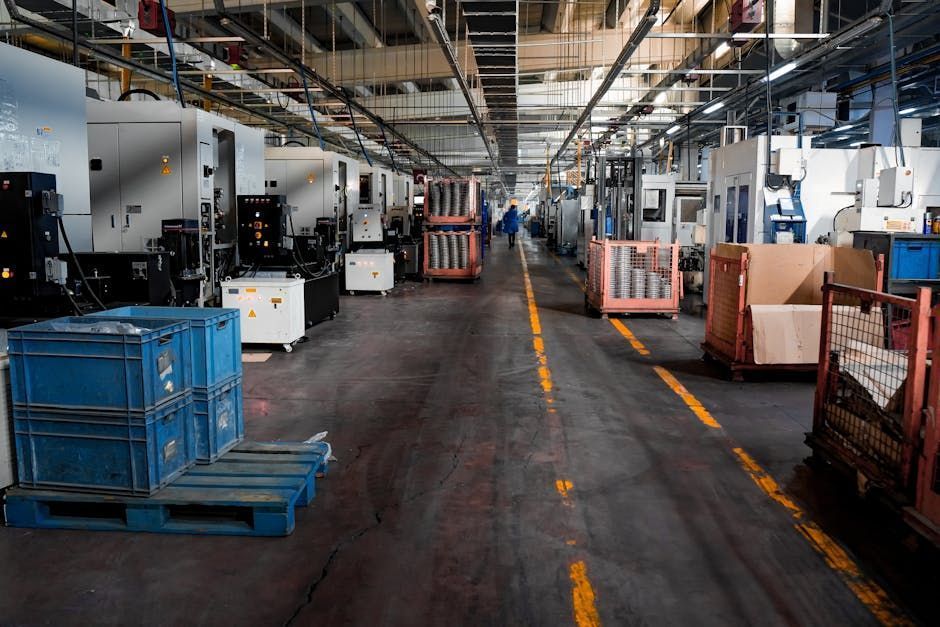
CMMC explained for East Tennessee manufacturers: the three levels, the four-phase rollout, the real cost, and what defense contractors must do before Phase 2 hits in November 2026.

Learn how to select the ideal VoIP system for your business in East Tennessee. Our guide covers features, costs, and local support to keep your office connected.
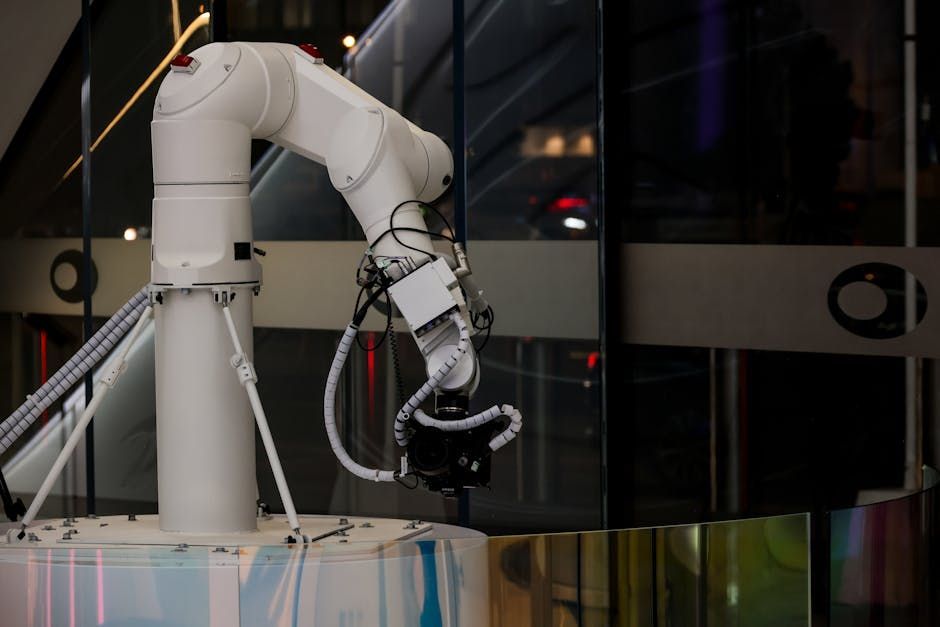
AI will not fix bad manufacturing data — it will scale it. Here is what East Tennessee manufacturers need in place before AI becomes useful on the plant floor.
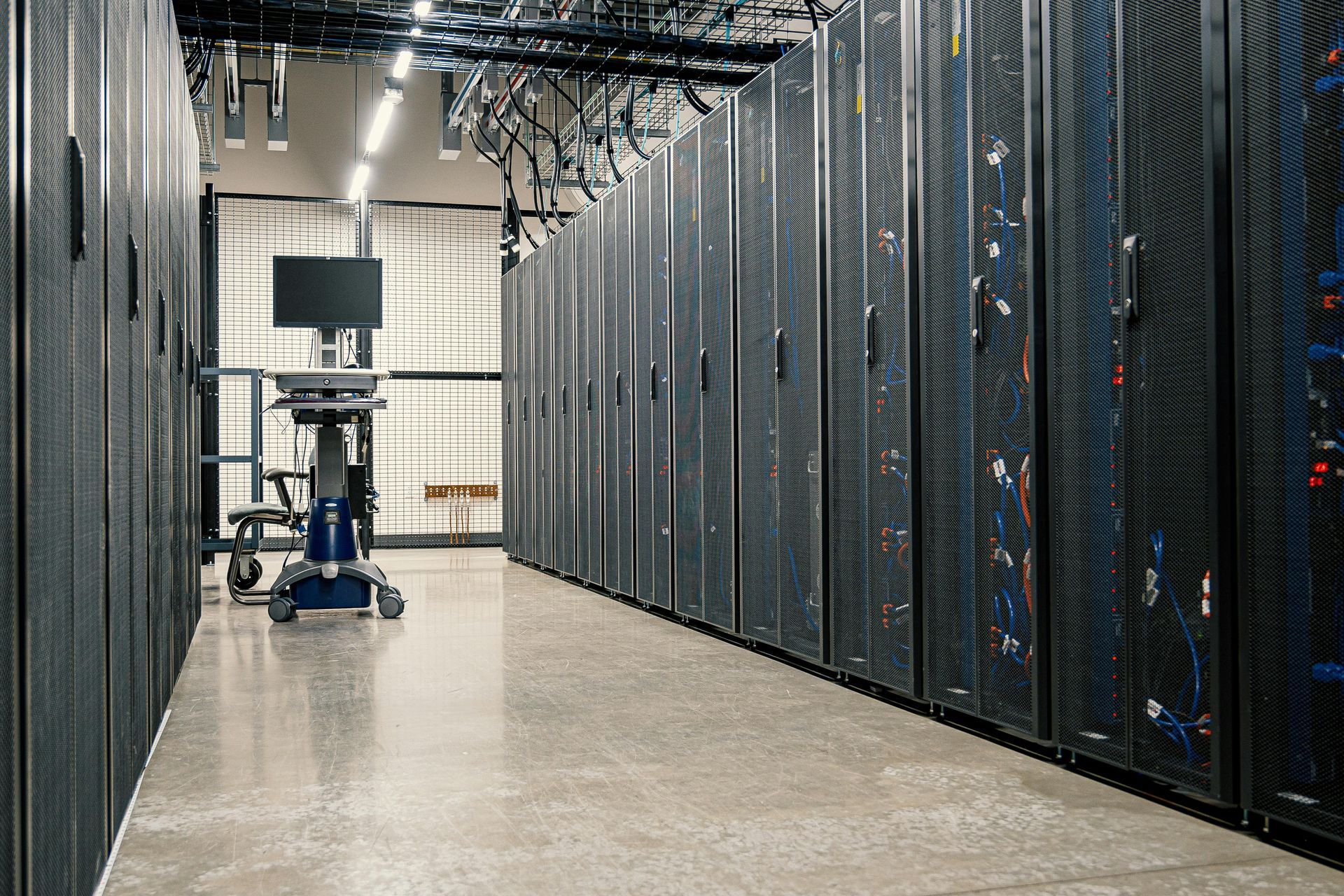
See how Hyperion Networks eliminated regional downtime and blind spots for a multi-office enterprise using centralized oversight and FortiManager standardization.

Discover how Hyperion Networks secured a 100+ employee firm with redundant cloud backups and Managed VoIP, achieving 99.8% uptime across all branches.

Learn how Hyperion Networks fixed Outlook failures and Teams sync issues for a Knoxville firm, achieving a 15-minute average response time.

East Tennessee manufacturers lose throughput when IT fails. Learn the three-pillar framework to prevent system failures, contain damage, and recover fast.

It's just another Tuesday morning in Maryville. The production floor is huming, shipments are staged for the afternoon rush, and your purchasing team is fighting lead times on raw materials. In a high-growth manufacturing environment, nobody has a spare second to second-guess an email, especially not your controller. Then a message lands. It looks like it's from the CEO. The tone is exactly what you'd expect: direct, familiar, and urgent. It says a new vendor needs payment immediately to avoid a project delay. The boss says they're tied up in a meeting and can't be reached, so just grease the wheels and process the wire. That single click is how a six-figure lesson begins. For manufacturers in the Knoxville area, this isn't a movie-style hack involving green text on a black screen. It's a believable message sent at the perfect time to override a busy employee's hesitation.

If you ended an IT vendor relationship three years ago, how do you know for certain their access is gone? If there's any hesitation in your answer, keep reading. Our NOC caught it at 2:00 AM before a single file moved. The client profile Industry: Large-Scale Professional Services/Manufacturing Scale: 100+ Users
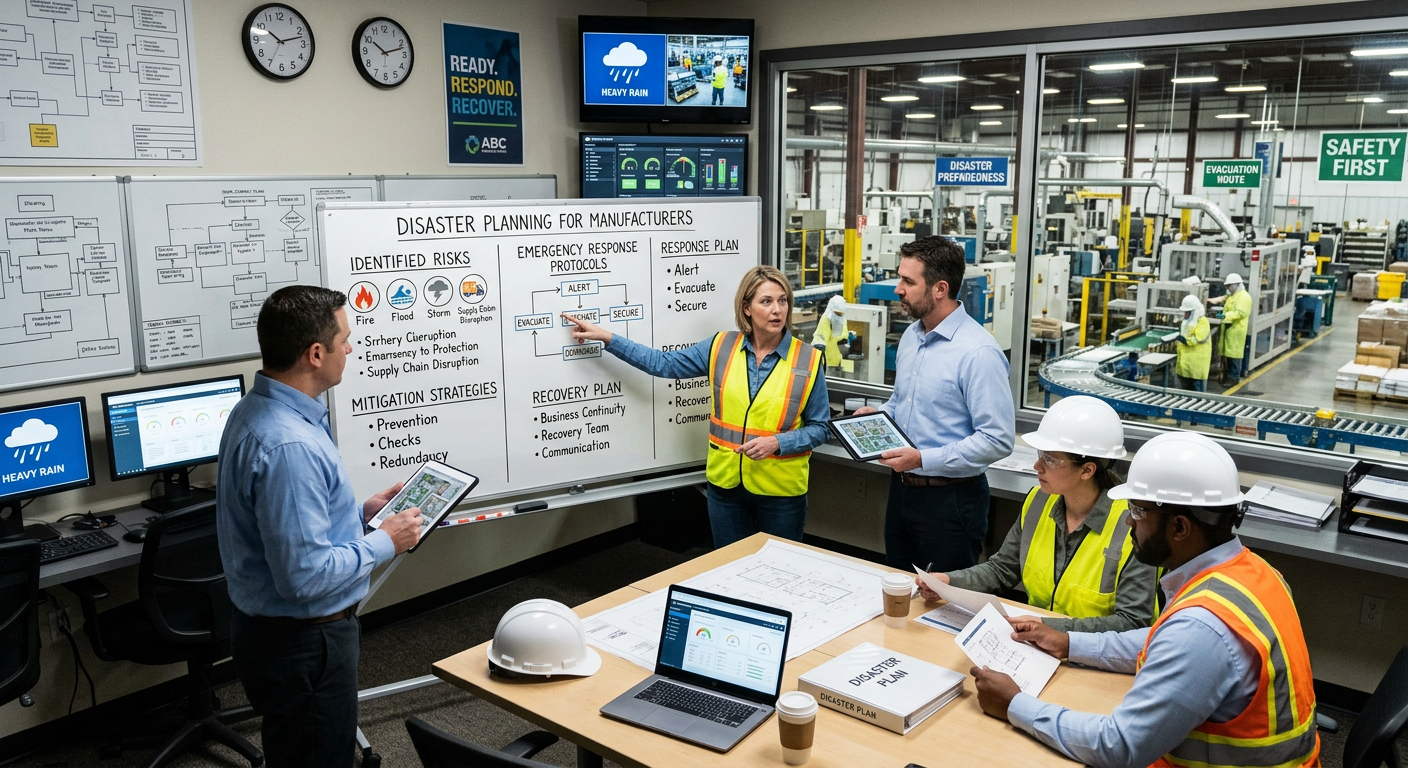
The "Hyperion Tabletop": A Simple Way to Start If your organization isn't ready to undertake a full resilience review, we encourage you to run one simple exercise before the end of the month. It costs nothing, requires no outside help, and will tell you more about your real vulnerabilities than most formal assessments. Get the right people in a room: IT leadership, operations, plant management. Give them one constraint: the primary network is completely inaccessible and will remain so for the next six hours. Then present three questions and listen carefully to the responses. Just listen. Access: Do we have the vendor phone numbers written down physically? Priorities: Does IT know that "Line 4" is more important than "Accounting" right now? Workarounds: Does the shift lead know how to run the plant without the ERP? The places where people go quiet, look at each other, or start to argue…. those are your gaps. They are not hypothetical risks. They are real ones—specific to your building, your team, your operation. The good news is they're all fixable. The only question is whether you find them in a conference room on a Tuesday, or at 2:00 AM when it actually matters. Talk to Hyperion about building a plan your plant floor can actually use when it counts.