Holiday Downtime Is a Gift — If You Use It Carefully
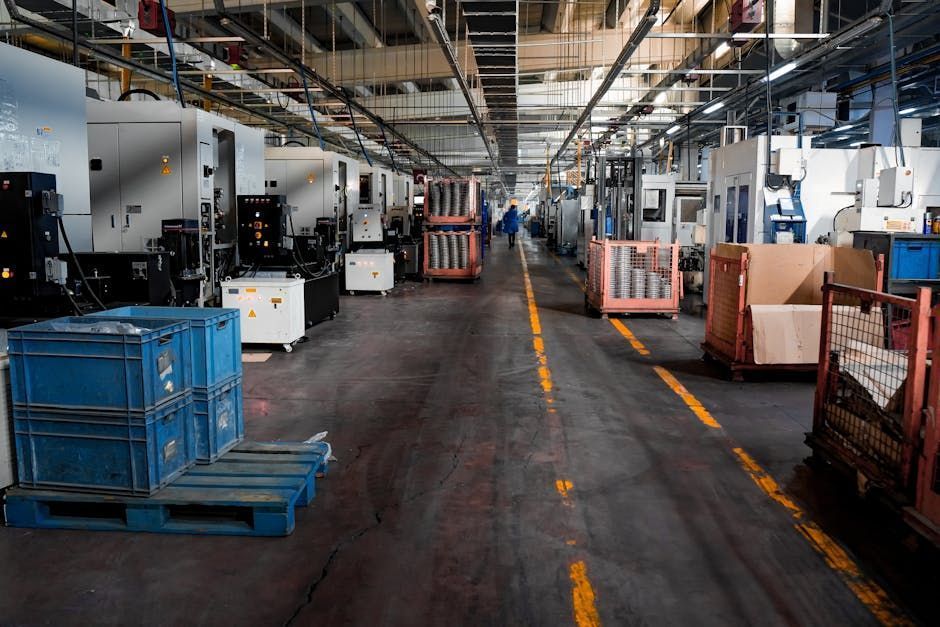
For many East Tennessee manufacturers, the holiday slowdown is one of the few times all year when production pressure eases.
Lines slow.
Shifts shorten.
Some plants even go dark for a few days.
That
downtime is often seen as the perfect window to “finally fix IT issues.”
And it can be.
But here’s the part many plants learn the hard way in January:
Stability improvements made during downtime can quietly create Operations and Security problems if they’re not controlled.
Why Holiday Downtime Is Ideal for Stability Improvements
From a Stability standpoint, this is the right instinct.
Holiday periods are ideal for:
- Network hardware replacements
- Switch, firewall, and Wi-Fi upgrades
- Server maintenance and patching
- Cleanup of years of “temporary” fixes
- Addressing chronic reboots, dead zones, or slow ERP terminals
Fewer users means:
- Lower blast radius if something goes wrong
- Less production impact during testing
- More time to do things properly
When done right, plants come back in January with:
- More reliable uptime
- Fewer help desk interruptions
- Better shift-to-shift consistency
The Hidden Risk: Configuration Changes Don’t Live in a Vacuum
Here’s where problems creep in.
Most Stability work involves configuration changes:
- VLANs adjusted
- Firewall rules modified
- Firmware updated
- Wi-Fi channels redesigned
- Access rules tightened or loosened
Those changes don’t just affect uptime.
They directly impact:
- Operations (how people get work done)
- Security (what’s exposed, allowed, or logged)
If those lenses aren’t applied at the same time, January becomes a firefight.
Operations Risk: “It Worked Before the Break”
From an Operations perspective, the most common post-holiday complaints sound like this:
- “The scanner doesn’t connect on Line 3 anymore.”
- “The ERP terminal is slower than it was last year.”
- “The vendor can’t remote in like they used to.”
- “IT says it’s more secure, but my team lost an hour today.”
These issues usually aren’t bugs.
They’re unplanned side effects of undocumented or unvalidated changes.
Stability work without operational validation leads to:
- Longer tickets
- Frustrated supervisors
- Workarounds that undo the original fix
Security Risk: Quiet Changes Create Quiet Exposure
Security problems are even more dangerous because they’re invisible.
During holiday work, we often see:
- Temporary admin access never removed
- Vendor firewall rules left open “just in case”
- MFA exclusions created for testing and forgotten
- Legacy systems reconnected without review
- Backups not revalidated after changes
Nothing breaks immediately.
Everything appears stable.
Until a phishing email hits, a vendor account is abused, or a backup fails when it’s needed.
The Right Way to Use Holiday Downtime
The best-performing manufacturing environments treat holiday downtime as a controlled improvement window, not a free-for-all.
That means:
- Stability changes planned with Operations impact in mind
- Every change reviewed through a Security lens
- Clear documentation of what changed and why
- Validation before people return to full production
- No “temporary” access without an expiration
This is where mature IT environments separate themselves.
Not by doing more work —
but by doing connected work.
What Manufacturing Leaders Should Ask Right Now
If holiday work is planned (or already happened), ask:
- What configurations were changed?
- Were operations teams involved in validation?
- Were security controls rechecked after changes?
- Do we know how to roll back if something breaks?
If you don’t have confident answers, January risk is already baked in.